Python AI Engineering 2026: Production-Grade MLOps Guides

Haricharan Kamireddy - AI Architect and Database Engineer
MCA graduate and MCTS-certified engineer with 7+ years of experience, currently specializing in AI architecture and database systems.
April 2, 2026  ·  Updated: May 11, 2026

⚡ Quick Answer (TL;DR)Master the 2026 AI stack with our Python AI Engineering tutorials. Curated by an MCTS-certified AI Architect, these hands-on guides focus on high-stakes MLOps scaling, LangChain orchestration, and backend performance tuning. Learn how to solve real-world production challenges and transition your AI models from local scripts to enterprise-grade architecture.

You’ve built a brilliant AI app in a Jupyter Notebook. It works perfectly on your machine. But when you try to push it to a live server? Crash. If you are stuck in that loop, you aren’t alone. Most tutorials stop the second the code runs locally. But the industry doesn’t pay for local scripts; it pays for production-ready systems.

Here is the reality of 2026: While Python is the engine behind 92% of all AI backends, an incredible 88% of AI projects never actually make it to production. Why? Because developers are rarely taught proper MLOps, backend scaling, or how to handle live users.

Here is exactly what we are going to master together:

  • LangChain & Orchestration (The Brains): Stop writing spaghetti code. We’ll structure true agentic workflows, build custom tools, and manage LLM memory so your bots actually remember context.
  • MLOps & Deployment (The Reality Check): We’ll tackle the messy stuff—handling strict API rate limits, setting up parallel processing, and slashing latency so your users aren’t left staring at a loading spinner.
  • Enterprise Backend Scaling (The Muscle): I’ll show you how to bulletproof your Python APIs using FastAPI, ensuring they can handle heavy vector searches and non-stop LLM requests without breaking a sweat.

💡 The Engineering MindsetIn standard web development, “close enough” usually works. In AI Engineering, “close enough” causes hallucinations, memory leaks, and broken pipelines. Let’s stop just copying syntax, and start mastering the logic.


Over my 7+ years architecting database systems and AI pipelines, I’ve watched talented developers hit the exact same walls. In this category, I’m going to show you how to break through them.

Can AI Replace Java & C# Developers? The Honest Reality in 2026

Can AI Replace Java & C# Developers? The Honest Reality in 2026

⚡ Quick Answer (TL;DR) AI is not replacing Java and C# engineers — it is replacing the manual labor of syntax. In 2026, developer value has shifted entirely from writing code to Architectural Supervision: Enterprise System Ownership: Governing complex business logic, legacy security patches, and distributed production systems that AI models cannot fully understand or
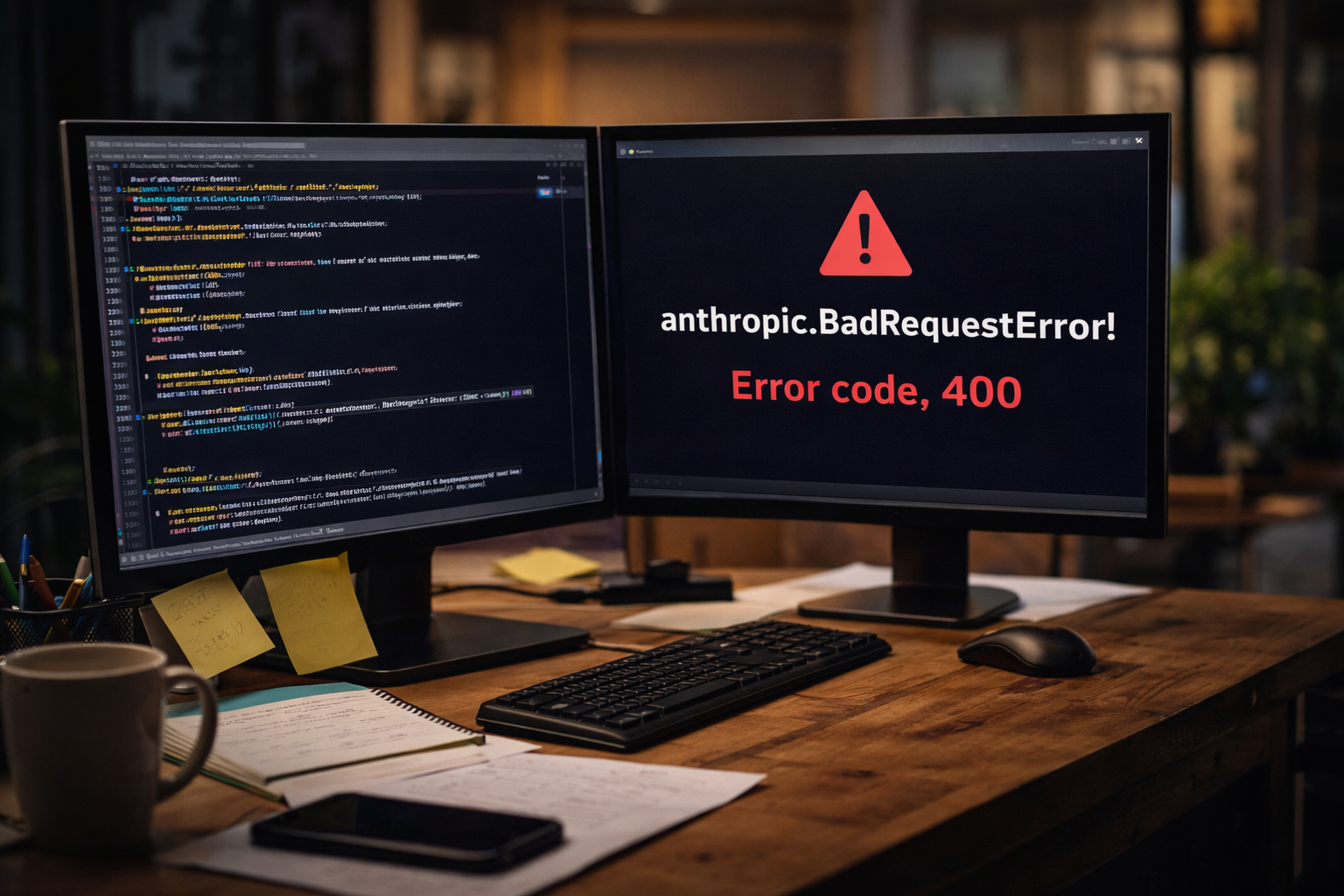
Claude AI Free API Key Not Working in Python? Causes, Limits & Fixes (2026)

anthropic.BadRequestError: Error code: 400

Table of Contents Introduction: Why Claude AI Free API Key Fails in Python Claude AI Free vs Paid: What’s the Difference? Why the Claude Free API Key Doesn’t Work (Error code: 400 Explained) Claude AI Pricing Explained (Subscription vs API Costs) Start Building with Claude AI for Just $5 How to Start Building with Claude

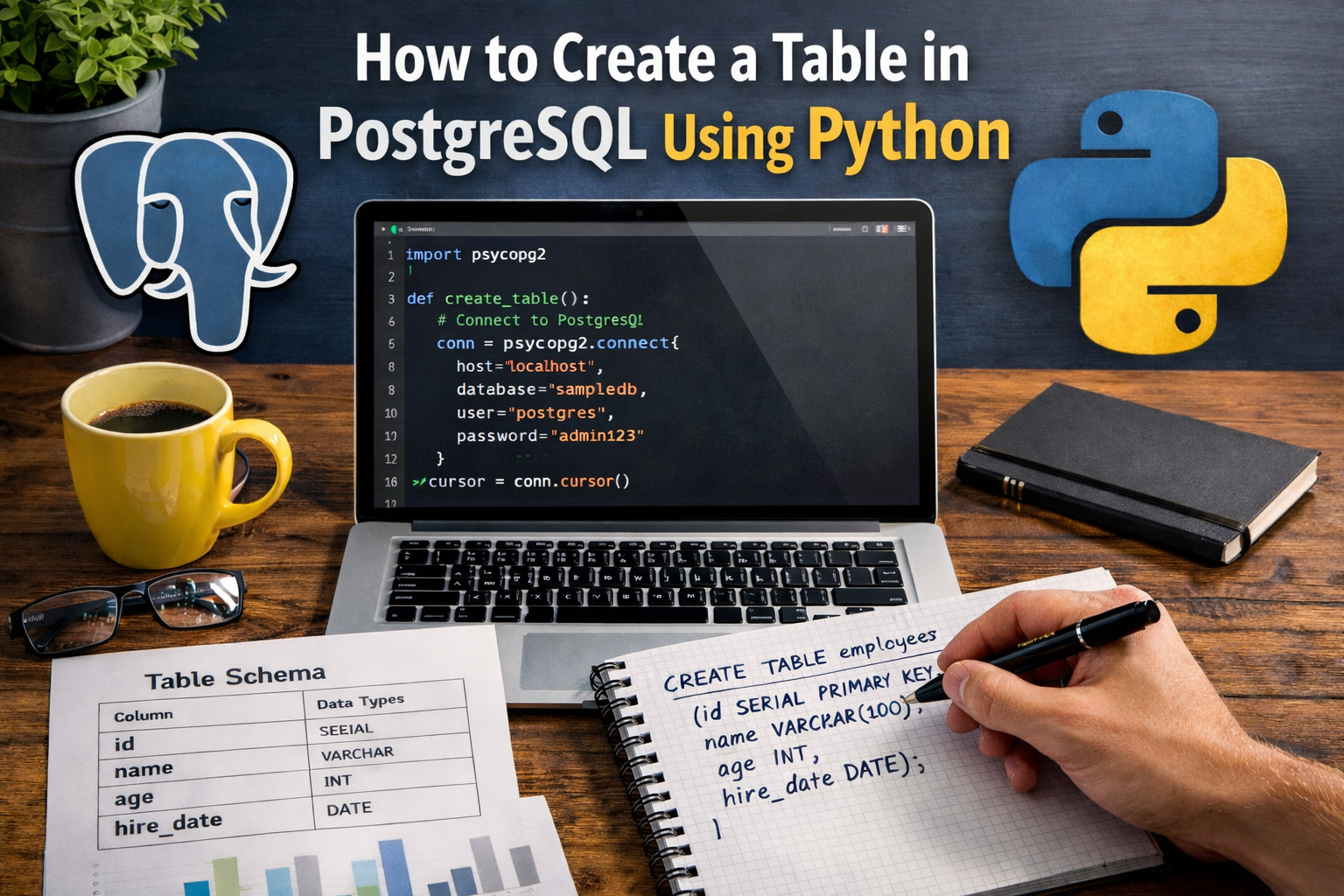
5 Easy Steps to Quickly Create a Table in PostgreSQL

create a table in PostgreSQL using Python

Table of Contents Introduction Create Table in PostgreSQL Using Python Example Install psycopg2 and Set Up Python Environment Connect Python to PostgreSQL Step by step create a table in PostgreSQL using Python Complete Code Step 1 – Step-by-step code explanation Step 2 – Connect to Database Step 3 – Execute CREATE TABLE Command Step 4

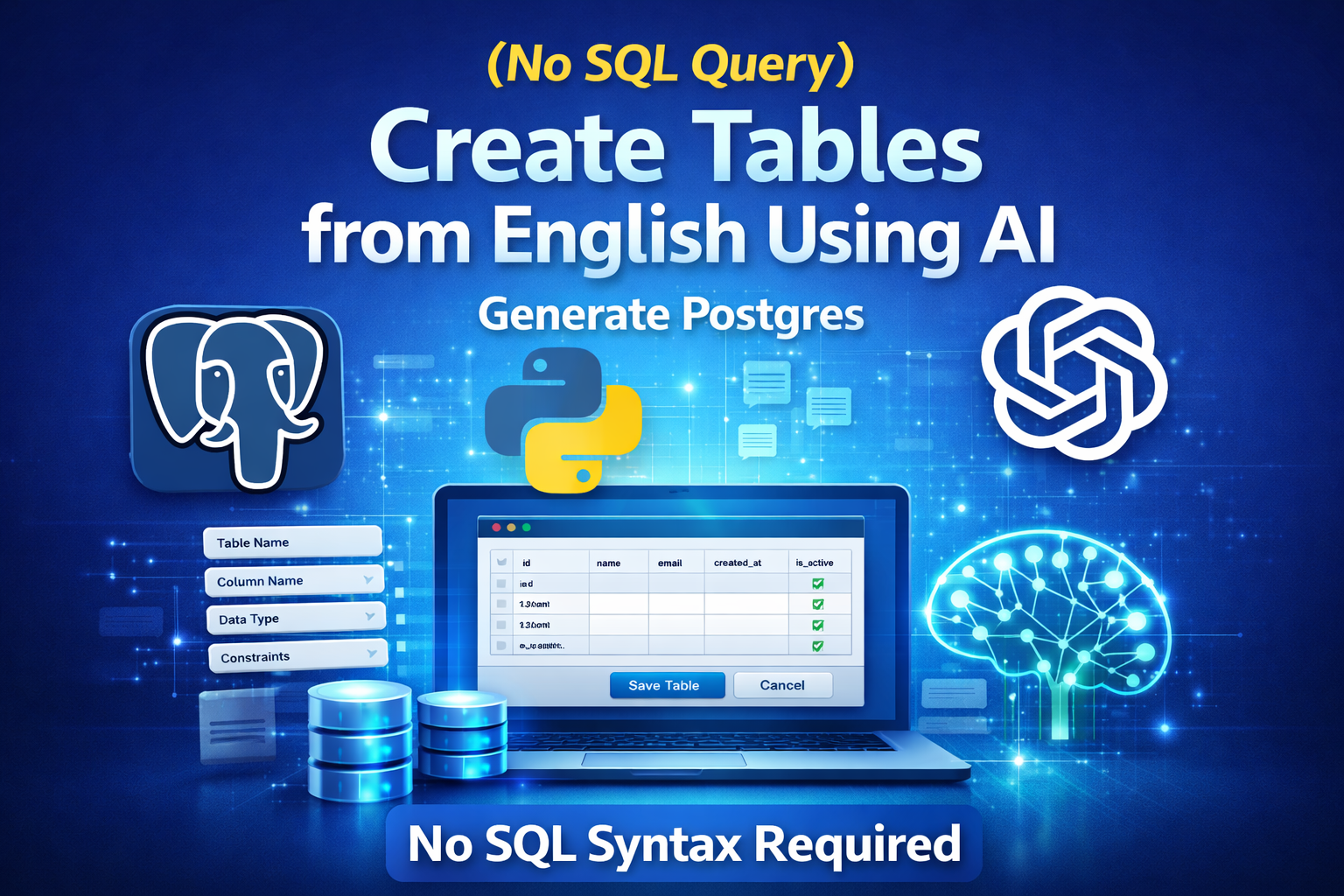
English to SQL with AI PostgreSQL Generator: Create Queries and Tables (2026)

Create-Tables-from-English-Using-AI

Table of Contents Introduction: Why AI for English to SQL Why Use AI for Natural Language to SQL How AI Makes Creating SQL Tables Effortless Step-by-Step Guide: Create PostgreSQL Tables Using OpenAI API Configure OpenAI API Key and .env File Write Python Script to Convert English to SQL Final Output AI Table Created In Postgres

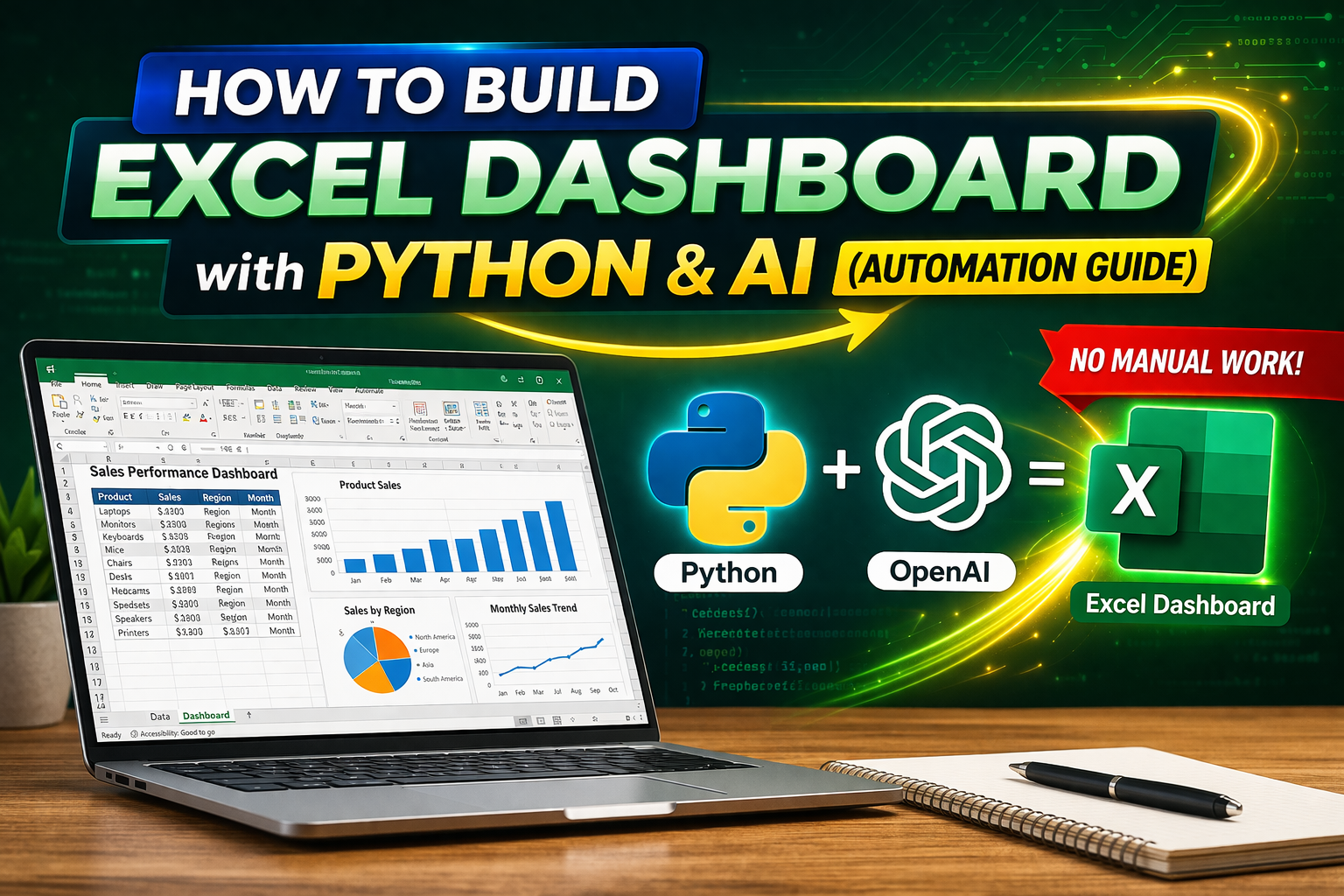
Unlock Excel Dashboards with Python & AI in 2026

How to Build Excel Dashboard with Python & AI (No Manual Work)

📑 Table of Contents Introduction Excel dashboard with Python AI Requirements Step-by-Step Implementation Complete Python Code Output (Excel Dashboard) Real-World Use Cases Common Errors and Fixes FAQ – How to Build an Excel Dashboard using AI Conclusion Generate Excel Reports Automatically Introduction How to Build an Excel Dashboard using AI is something I started exploring

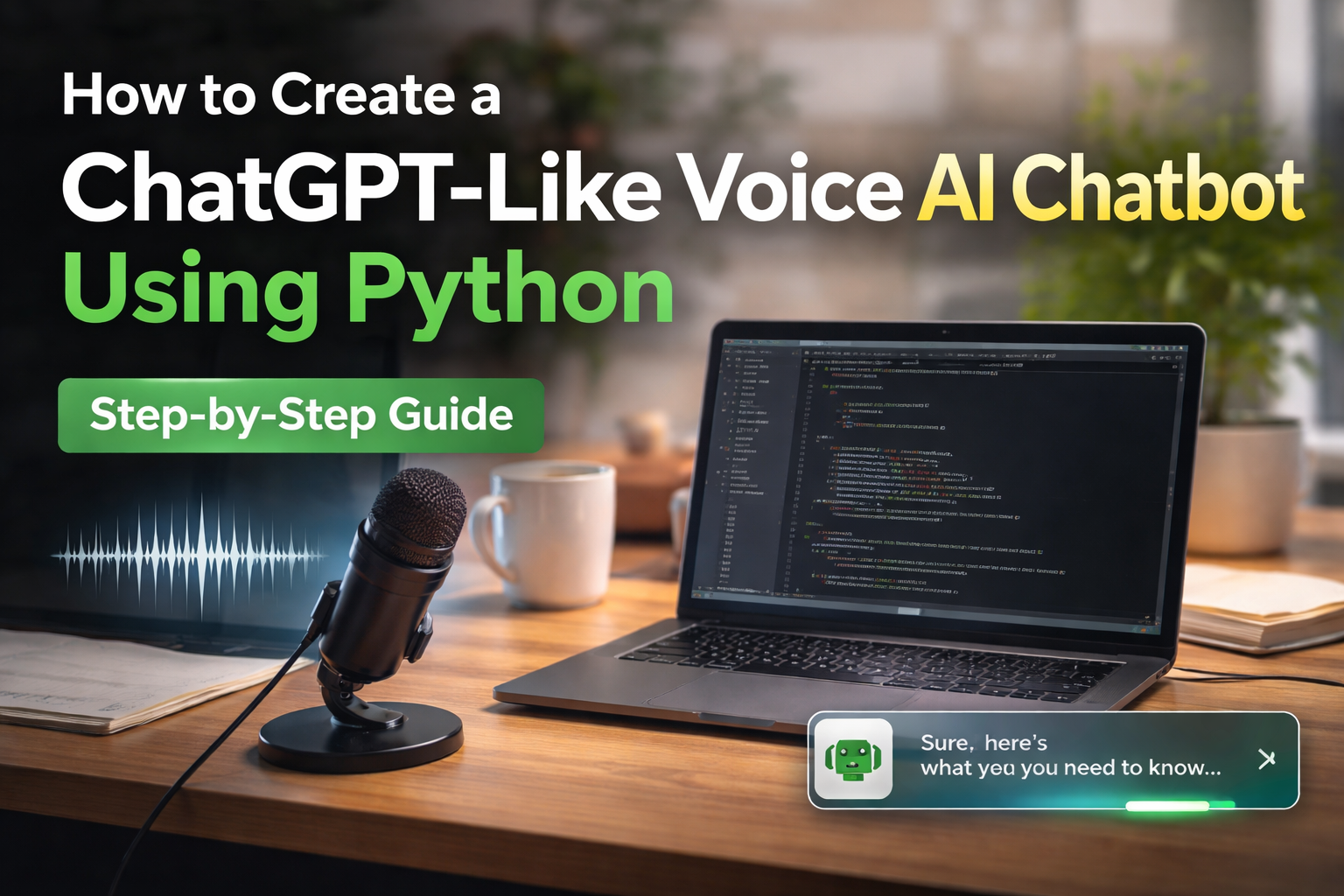
5 Easy Steps to Build a ChatGPT-like Voice Assistant in Python

chatgpt like voice assistant python step by step

📑 Table of Contents Introduction & Project Overview Prerequisites & Setup Install Libraries & API Setup Python Code & How It Works Run, Debug & Improve FAQs – ChatGPT-like Voice Assistant in Python chatgpt like voice assistant python step by step Introduction In my previous blog posts, I’ve showedPython Gemini API: Build Your Own Free

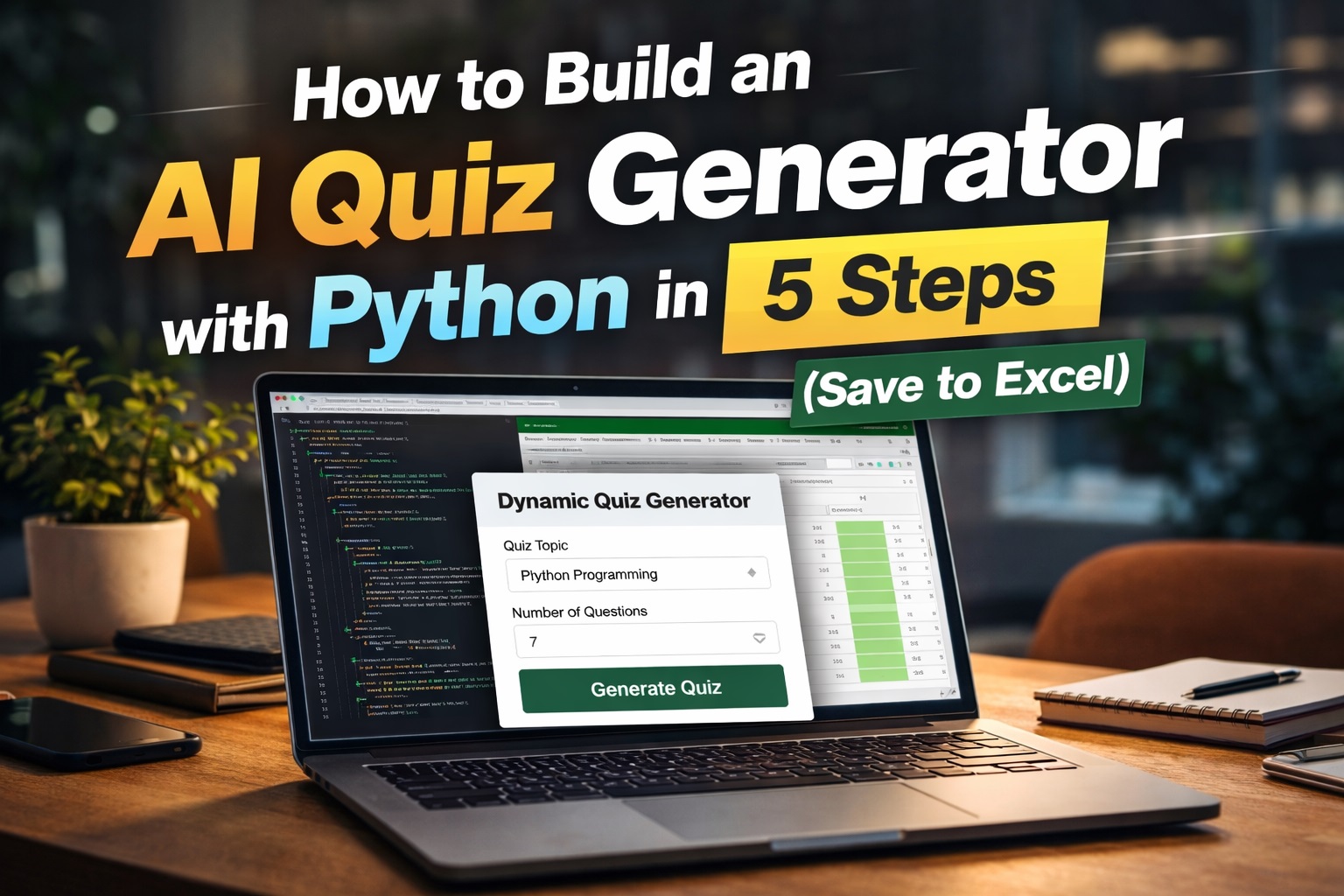
5 Easy Steps Build an AI Quiz Generator with Python (Save to Excel)

Create an AI Quiz Generator with Python in 5 Simple Steps

📑 Table of Contents: Build an AI Quiz Generator with Python Introduction: Why Build an AI Quiz Generator Project Overview: Step-by-step Python AI quiz tutorial Why This Project is Useful Key Requirements & Libraries for the Quiz Generator Basic Knowledge Needed Before You Start Step 1: OpenAI API Key Setup Step 2: Setting Up Your

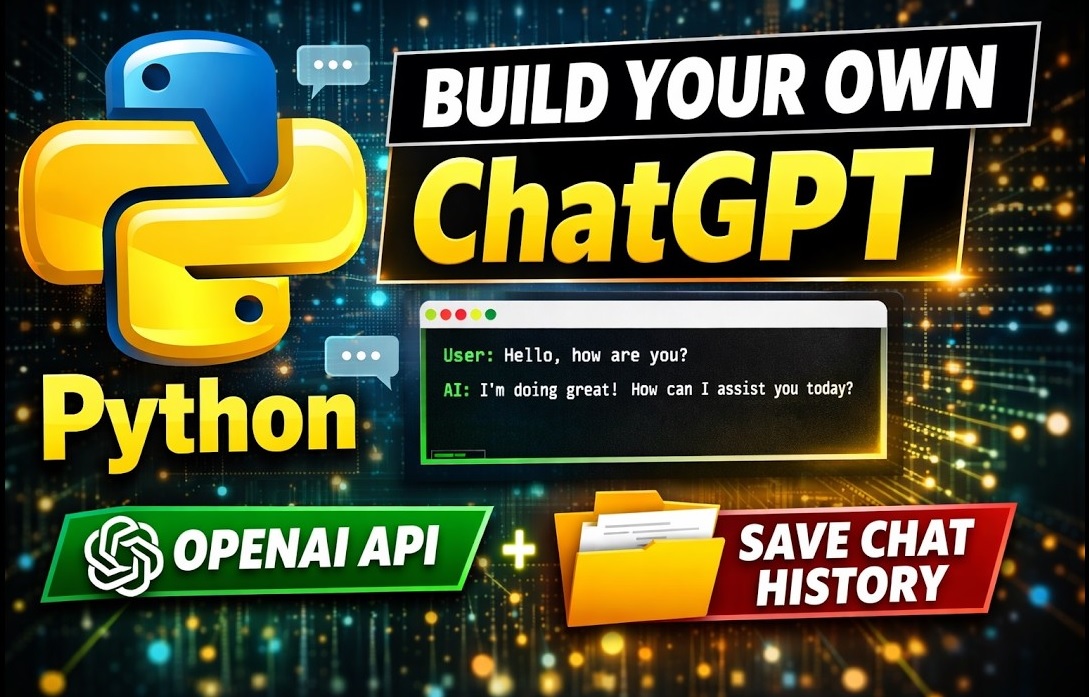
How to Save Chatbot Conversations to a Text File in Python 2026

chatbot ai assistant chatgpt save data into a text file

Table of Contents Introduction: How to Save AI Chatbot Conversations in Python Why Storing Chatbot Conversations Matters Requirements for Saving Chat History in Python Setting Up Your Environment to Save Chatbot Conversations How to save ai chatbot conversations in python Complete Source Code Video tutorial how to save ai chatbot conversations in python Handling Errors

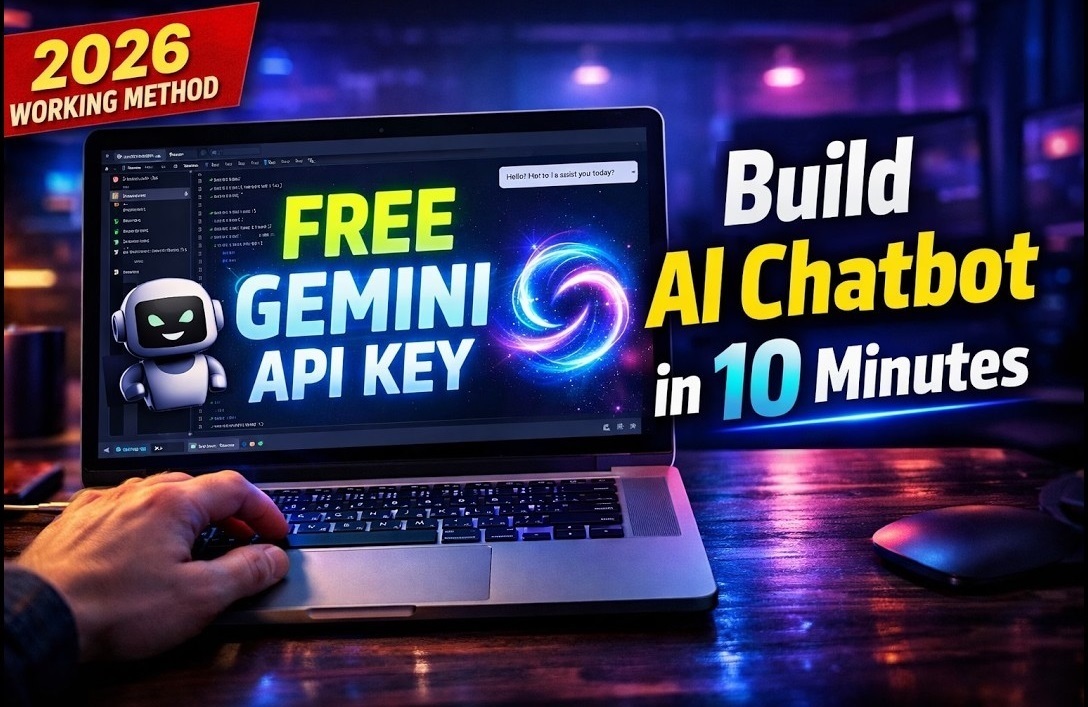
Build a Free ChatGPT-like AI Chatbot Using Python and Gemini (2026)

Free Gemini AI Chatbot Like ChatGPT with Python

Table of Contents Introduction to Free AI Build chatbot using Gemini API Requirements to Build Your Free AI ChatGPT Step-by-Step Tutorial: Create a Free AI Chatbot ChatGPT in Python Set Up Your Python Environment Install Required Libraries Secure Your Gemini API Key Using .env File Write Python Code for Free AI Chatbot ChatGPT Check Out

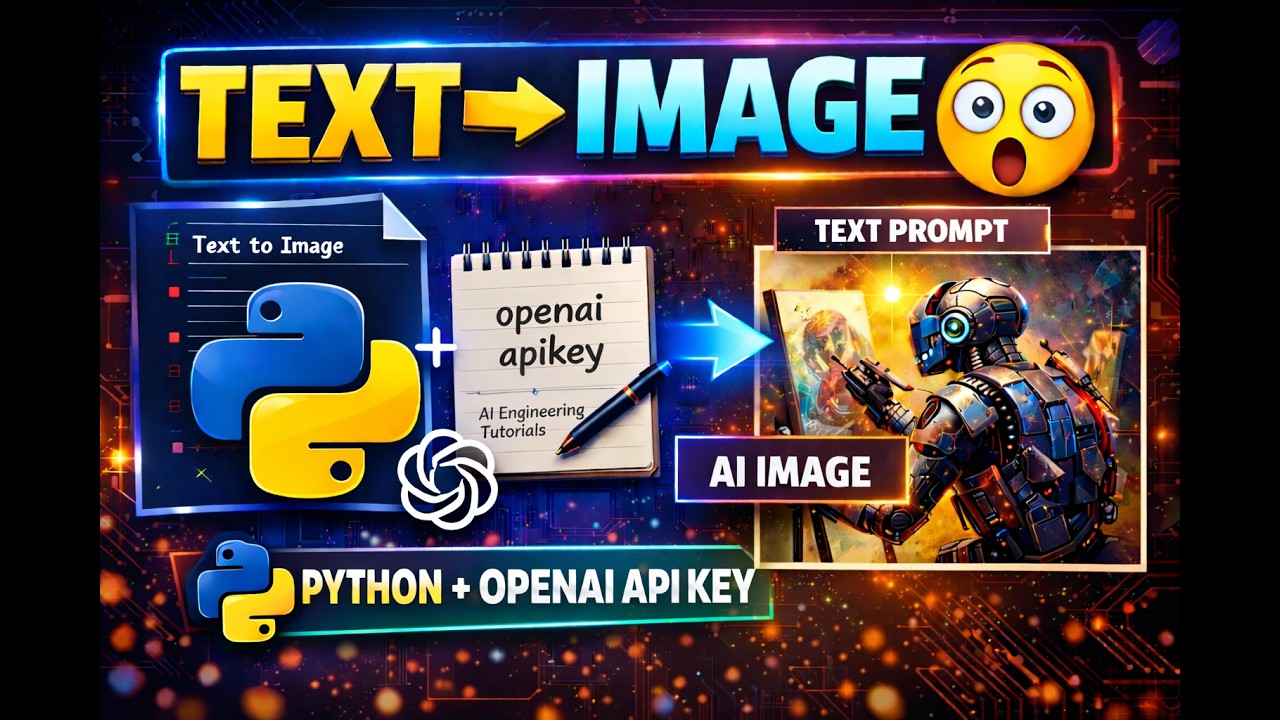
Ultimate Easy Python OpenAI Image Generation Tutorial in 5 steps

Python OpenAI Image Generation Tutorial in 5 Steps

📑 Table of Contents Introduction to Python OpenAI Image Generation What is Text to Image Generation AI? What is Image Generation in OpenAI API? Understanding GPT-Image Python API Requirements for This Tutorial How to Install Required Python Libraries How to Secure OpenAI API Key (.env Setup) Step-by-Step Python Code for Image Generation How To Create

Python AI Engineering & MLOps FAQ

1. Why do AI apps work in Jupyter Notebooks but crash in production?
Direct Answer: Because local notebooks hide production concerns like resource limits, concurrency, and missing MLOps automation.
Short Elaboration: Notebooks are single‑process, forgiving environments; production needs containerization, monitoring, retry logic, rate‑limit handling, and memory profiling to avoid crashes.

2. What is the best Python framework for scaling AI backends?
Direct Answer: FastAPI is the most common choice for production Python AI backends in 2026 due to async support and easy integration with ASGI servers.
Short Elaboration: Pair FastAPI with Uvicorn/Gunicorn, a task queue (Celery/RQ), and a model server (TorchServe/TF‑Serving or a vector DB) for scalable throughput.

3. How do you prevent spaghetti code when using LangChain?
Direct Answer: Enforce modular agent design: separate tools, state management, and prompt templates rather than inline prompt chains.
Short Elaboration: Use explicit tool interfaces, versioned prompt templates, unit tests for chains, and centralized memory stores to keep orchestration maintainable.

4. How can developers reduce AI latency and handle API rate limits?
Direct Answer: Use batching, parallelism, caching, and backoff/retry strategies; implement rate‑limit aware queues.
Short Elaboration: Cache embeddings and model outputs, use async calls, shard requests, and implement graceful degradation for high load.

5. What makes these Python AI tutorials different from standard coding guides?
Direct Answer: They focus on production patterns: deployment, observability, testing, and MLOps workflows rather than only local examples.
Short Elaboration: Expect checklists, CI/CD examples, monitoring recipes, and reproducible deployment templates rather than isolated scripts.

We use cookies for ads and analytics to improve your experience. Privacy Policy